Your Comprehensive Guide to Commercial vs Residential Roofing Needs.
When it comes to roofing, the requirements for commercial and residential structures can differ significantly. Understanding these distinctions is crucial for property owners, contractors, and anyone involved in the real estate or construction industries. This guide will delve into the unique needs associated with each type of roofing, helping you make informed decisions whether you are a homeowner, a commercial property manager, or simply someone interested in learning more about roofing solutions.
The Basics of Roofing Types
Residential roofing typically refers to roofs on single-family homes, townhouses, and apartments. These roofs often feature common materials roof installation services in Litchfield IL like asphalt shingles, tiles, or metal. In contrast, commercial roofing encompasses a wide range of buildings including office complexes, warehouses, and retail spaces. The roofing systems used in these structures are generally flat or low-sloped and utilize materials such as TPO (thermoplastic polyolefin), EPDM (ethylene propylene diene monomer), PVC (polyvinyl chloride), or built-up roofing systems.
One of the primary differences lies in installation methods. Residential roofs often focus on aesthetic appeal and may have steeper slopes to enhance water runoff and visual impact. Commercial roofs prioritize functionality; they need to support heavy equipment like HVAC units and drainage systems while providing durability against various weather conditions.
Material Choices: A Closer Look
The choice of materials reflects the distinct requirements of residential versus commercial roofs.
For residential roofing:
- Asphalt Shingles: Popular for their affordability and variety of styles. They last around 20-30 years with proper maintenance.
- Metal Roofing: Known for longevity (up to 50 years) and energy efficiency but comes at a higher initial cost.
- Clay or Concrete Tiles: Durable options that can withstand extreme weather but are heavier than other materials.
In contrast, commercial roofing materials need to address broader structural concerns:
- TPO: Known for being lightweight yet highly reflective, which helps with energy efficiency.
- EPDM: A rubber-based material favored for its resilience in varying temperatures.
- Built-Up Roofing (BUR): Comprises multiple layers of bitumen and reinforcing fabrics; it's durable but requires professional installation.
Each material has its advantages and limitations based on environmental factors and building codes that must be adhered to during construction.
Installation Differences
The installation process varies widely between the two types of roofing due to structural considerations. Residential roofs typically require less specialized equipment since they involve steeper pitches that allow easier access for roofers using ladders or scaffolding.
On the other hand, commercial roof installation demands careful planning due to flat surfaces that often feature extensive drainage systems. Professionals must employ cranes or lifts to transport materials efficiently across large areas. Additionally, safety protocols are stricter in commercial settings given the potential hazards associated with working on larger rooftops.
Key Considerations for Installation
- Access Issues: Commercial roofs may have limited access points requiring more elaborate safety measures.
- Weather Conditions: Timely installation is crucial; inclement weather can halt work on both types but can be more disruptive in commercial projects where delays might affect business operations.
- Building Codes: Compliance with local regulations is essential; different guidelines apply for residential versus commercial properties which professionals must navigate adeptly.
Maintenance Needs
Proper maintenance ensures both residential and commercial roofs serve their intended lifespan effectively. However, their maintenance routines differ fundamentally due to usage patterns.
Residential roofs require periodic inspections after severe weather events; homeowners should look for missing shingles or signs of wear around chimneys or vents. Regular cleaning of gutters also prevents water buildup that could lead to leaks or further damage.
Commercial roofs necessitate more consistent oversight because they support substantial machinery that might cause wear over time. Regular inspections should assess membrane integrity while keeping an eye out for debris accumulation that could obstruct drainage systems.
Maintenance Checklist
-
For Residential Roofs:
-
Inspect shingles for damage every season.

-
Clean gutters biannually.
-
Check insulation levels in attics periodically.
-
For Commercial Roofs:
-
Schedule professional inspections at least twice a year.
-
Ensure drains are cleared regularly.
-
Monitor rooftop equipment placements for any signs of wear on surrounding areas.
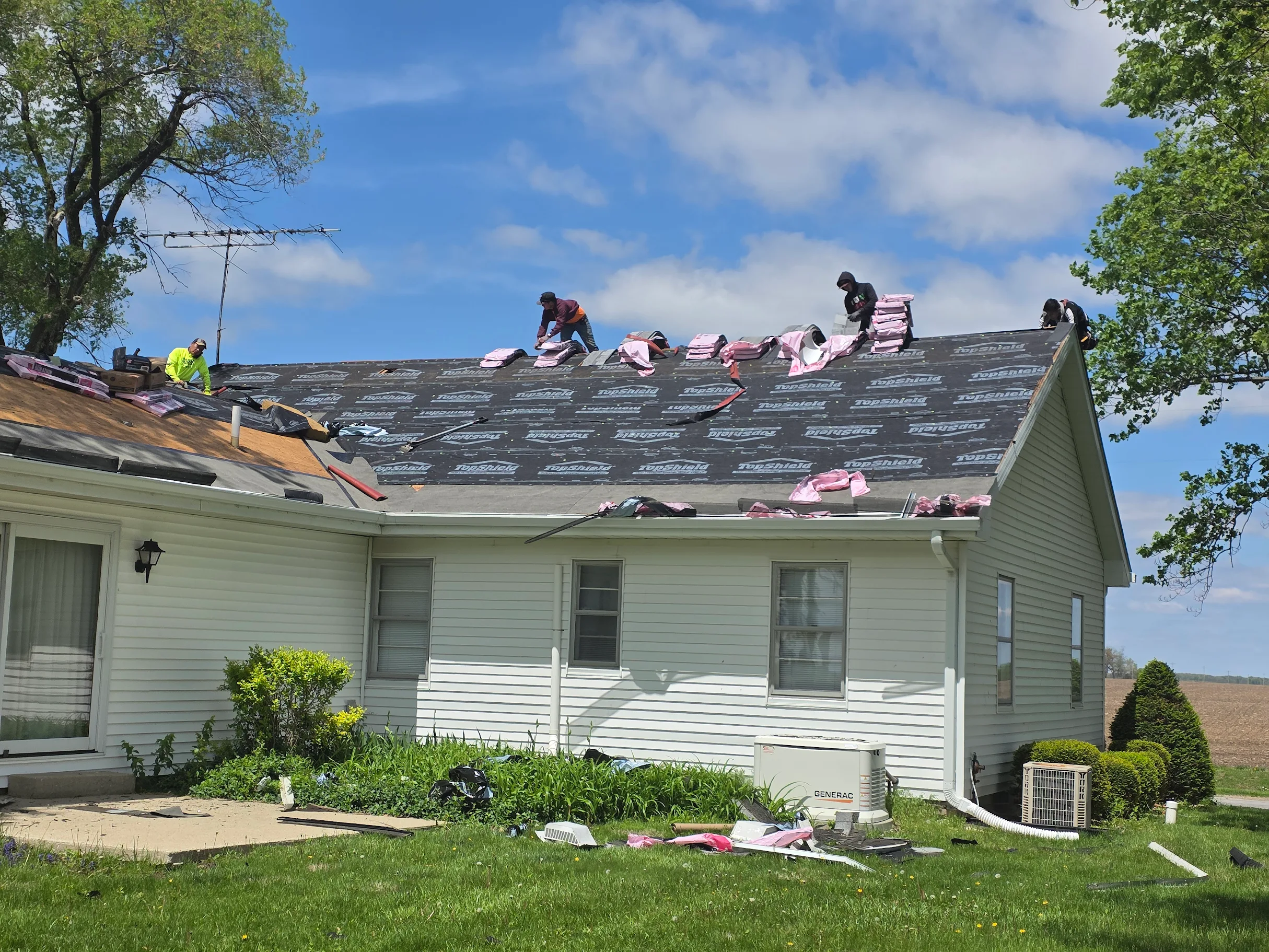
Understanding these maintenance needs allows property owners to plan ahead and allocate budgets efficiently.
Cost Implications
Budgetary considerations play a significant role when choosing between residential and commercial roofing solutions. Generally speaking, residential roof installations tend to be less expensive than their commercial counterparts due mainly to material costs and labor intensity differences involved in installation processes.
For instance, installing asphalt shingles on a typical single-family home may range from $5,000 to $15,000 depending on size and complexity whereas a new TPO system on a large warehouse could easily reach $50,000 or more depending on square footage and design intricacies involved.
However, it's essential not just to consider upfront costs but also long-term value through energy savings over time plus potential insurance benefits gained from having durable materials installed initially rather than cheaper alternatives that require frequent replacements down the line.
Regulations & Compliance
Navigating regulations adds another layer of complexity when considering either type of roof replacement project. Local building codes dictate how many layers can be added onto existing structures along with specific material requirements based upon geographic conditions prevalent within particular regions—such as wind loads along coastal areas where stronger designs might need consideration compared against inland locales facing less severe elements overall.
Additionally:
-
Zoning Laws: Depending on location there may exist restrictions regarding height limits affecting permissible pitch angles allowed under certain circumstances impacting overall design choices made throughout development processes involving new constructions especially within urban environments where space constraints prevail heavily influencing decisions made by architects tasked with designing those facilities too!
-
Insurance Requirements: Many insurers mandate specific standards regarding materials used which invariably affects budgeting strategies employed while planning repairs/upgrades necessary over time ensuring compliance remains paramount throughout these endeavors regardless whether working towards fulfilling personal goals related individual properties owned outright versus larger portfolios managed professionally via investment firms specializing within real estate markets overall!
Understanding these regulatory frameworks helps mitigate risks associated with non-compliance while promoting safe practices throughout all stages involved!

Choosing the Right Contractor
Selecting an experienced contractor is critical regardless if you’re pursuing residential improvements alongside larger scale projects targeting multi-use developments commercially focused instead! Seek out professionals who possess extensive expertise managing diverse job scopes successfully completing tasks promptly without sacrificing quality expected by clients demanding excellence consistently delivered always!
When searching online "Roofers in Litchfield IL" presents numerous options available nearby enabling quick comparisons made easily among peer-reviewed ratings provided by past customers sharing experiences gleaned during interactions held previously improving transparency offered throughout decision-making phases engaged actively!
Look specifically at qualifications held alongside valid licenses ensuring adherence meeting industry standards required locally established—without this foundational knowledge being assessed properly much greater hurdles await down road leading potentially costly mistakes occurring later affecting satisfaction derived overall performance delivered ultimately!
Final Thoughts
The framework behind understanding your specific needs whether tackling a small residence needing repairs versus navigating vast expanses covering massive warehouses housing businesses—becomes clearer through diligent research Elite Roofing Professionals Roofers Litchfield IL conducted upfront paired closely with strategic input garnered from trusted professionals knowledgeable regarding nuances separating two distinct categories effectively managing expectations set forth early-on gaining better outcomes achieved over time through informed choices made thoughtfully prior commencing projects undertaken diligently moving forward confidently!
Elite Roofing Professionals
403 W Corwin St, Litchfield, IL 62056, United States
+1 217-851-3836
[email protected]
Website: www.eliteroofingprofessionals.com